Performance, Operations and Security in One Solution
Secure Connectivity Beyond Traditional VPNs
Deploy across existing TCP/IP infrastructure without exposing services or requiring disruptive network changes
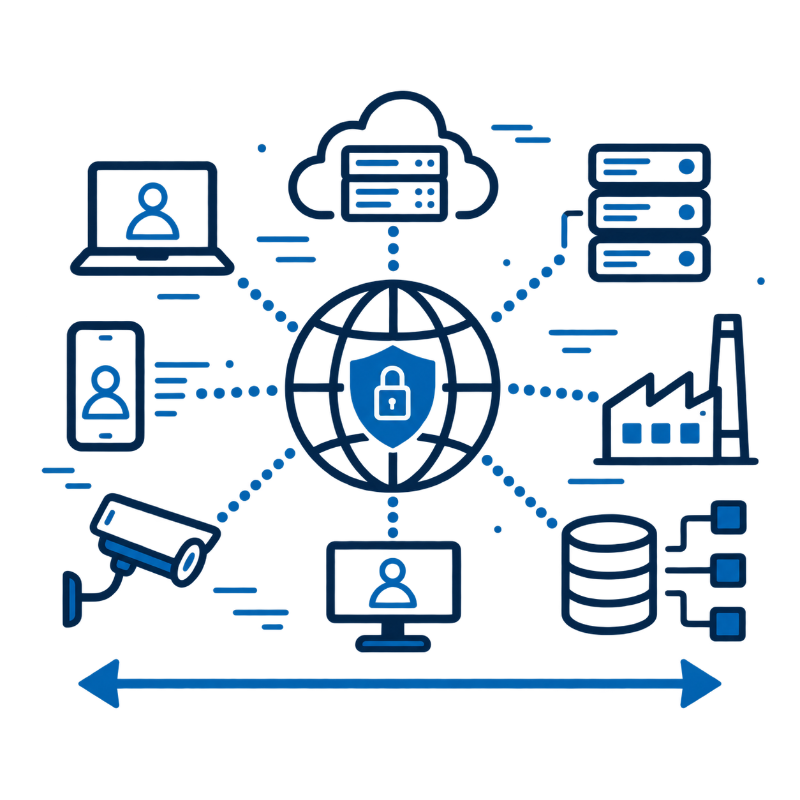
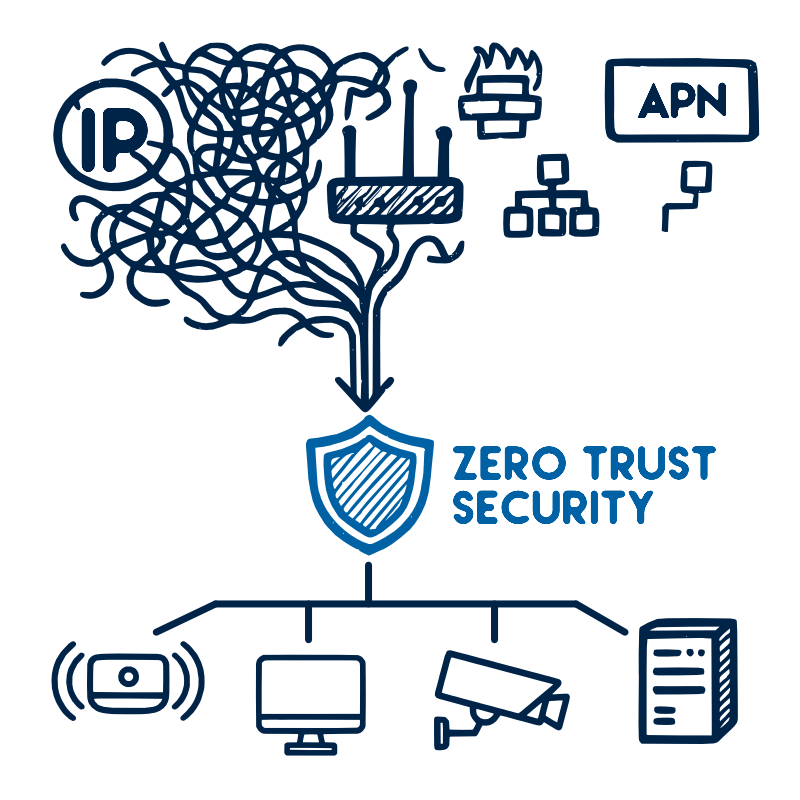
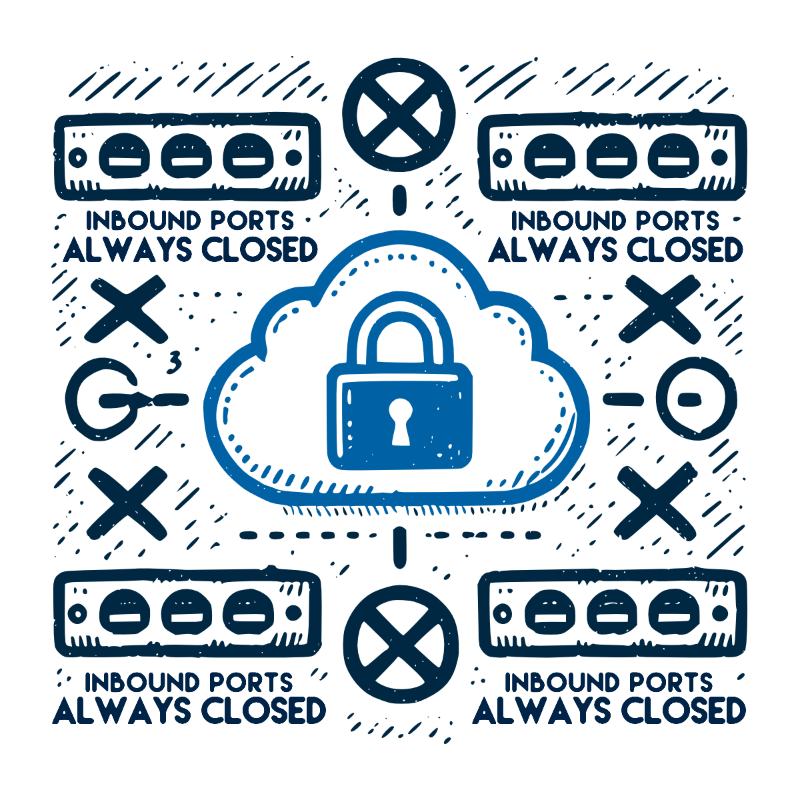
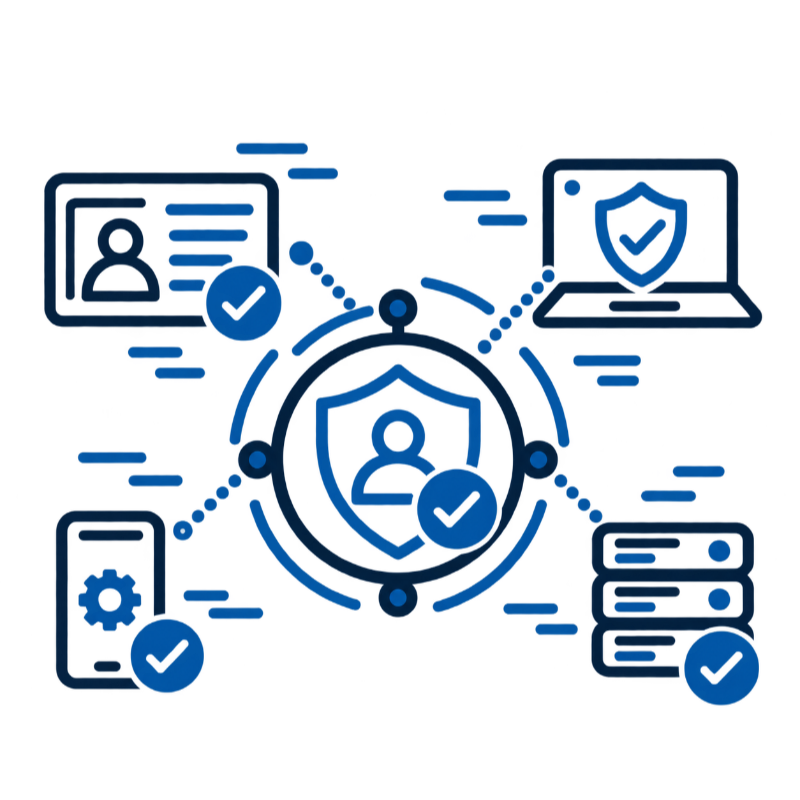
SElink establishes isolated service-level channels directly between authorised entities and the services they require. It does not rely on traditional VPNs, public IP addresses, open inbound ports or PKI-based certificate infrastructures to secure communications. Connectivity, authentication and encryption are integrated within the architecture, reducing exposure and removing the operational complexity associated with managing tunnels, certificates and multiple security layers.
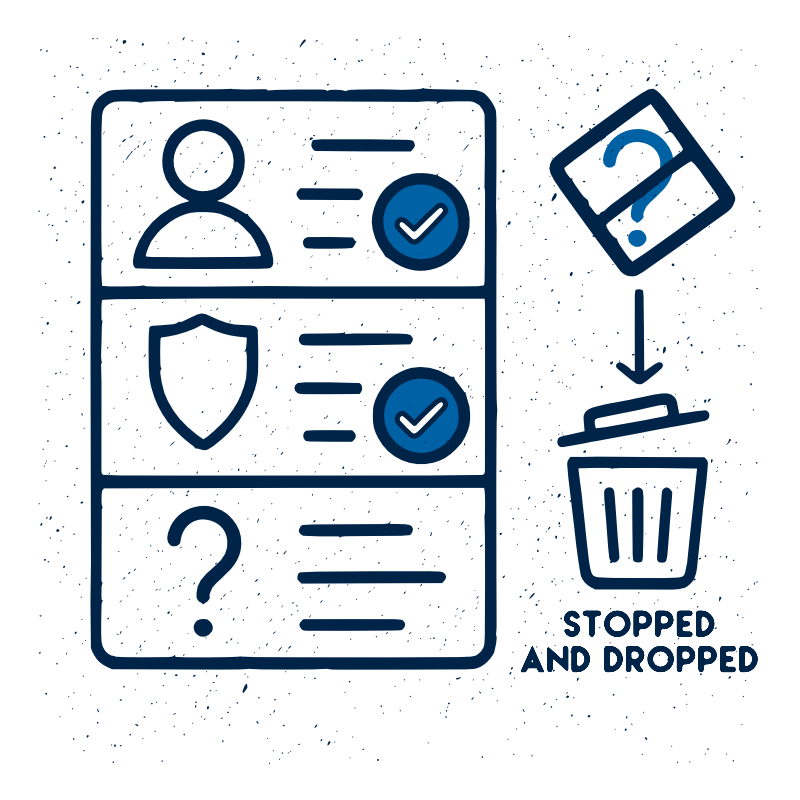
Zero Trust determines whether an interaction should be authorised. Zero Exposure removes network reachability until that interaction is authorised. SElink then provides access to the specific service required, not to the network hosting it.
Traditional network security

Protected exposure - VPN gateways, public or reachable IP addresses and inbound ports create entry points that must be continuously defended.
Zero Exposure - outbound-only connections operate without public service addresses or open inbound ports, keeping critical infrastructure hidden from scanning and direct attack.
Network-level access - users and devices enter a network, tunnel or segment before controls determine what they can reach.
Service-level access - authorised entities connect directly to specific services without gaining access to the surrounding network.
Certificate-based trust - PKI, digital certificates and their associated lifecycle establish and maintain trust between connected entities.
Multidimensional trust - users, devices, applications and operational context are validated without dependence on PKI or certificate lifecycle management.
Perimeter and segmentation controls - once a boundary is breached, additional controls are required to detect and contain lateral movement.
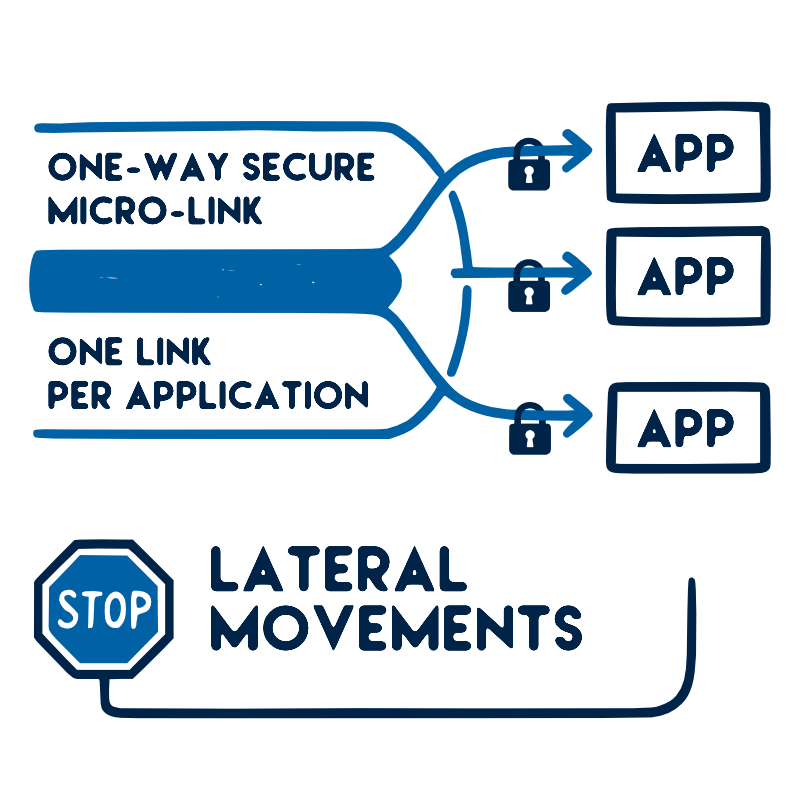
Isolation by design - every service connection remains isolated, limiting discovery and preventing a compromised endpoint from accessing the wider environment.
Layered infrastructure - VPNs, routers, subnets, firewalls and security tools are combined to create and protect network boundaries.
Unified service architecture - connectivity, isolation, authentication, encryption and policy control operate across existing infrastructure without depending on physical network topology.
Operational overhead - multiple technologies introduce configuration, maintenance, bandwidth and processing requirements.
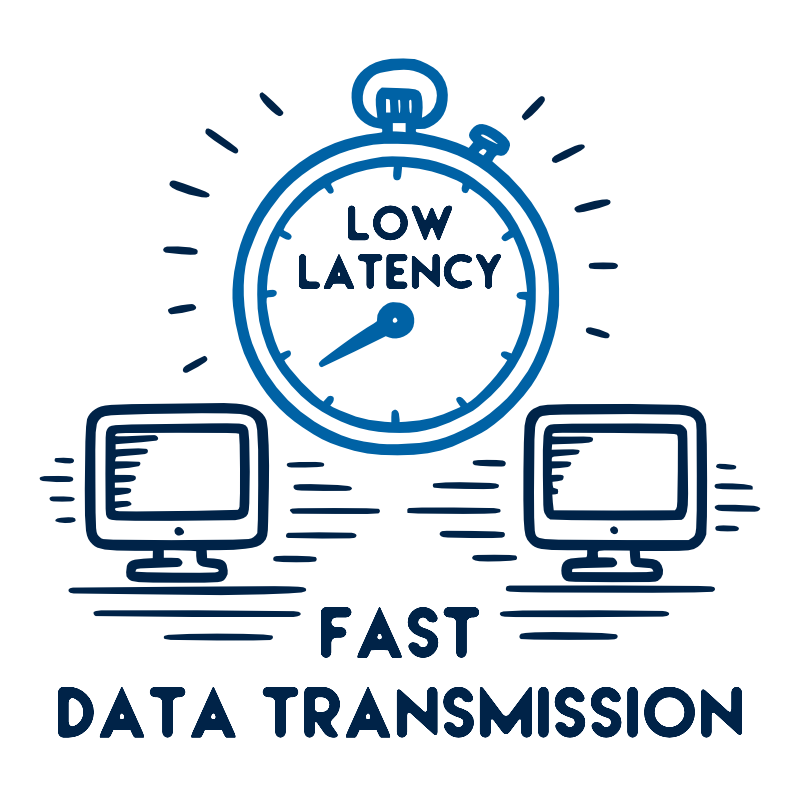
Efficiency by design - centralised management and lightweight communications simplify operations while maintaining performance across constrained environments.
Fixed cryptographic implementations - adapting to new algorithms or standards can require significant system and infrastructure changes.
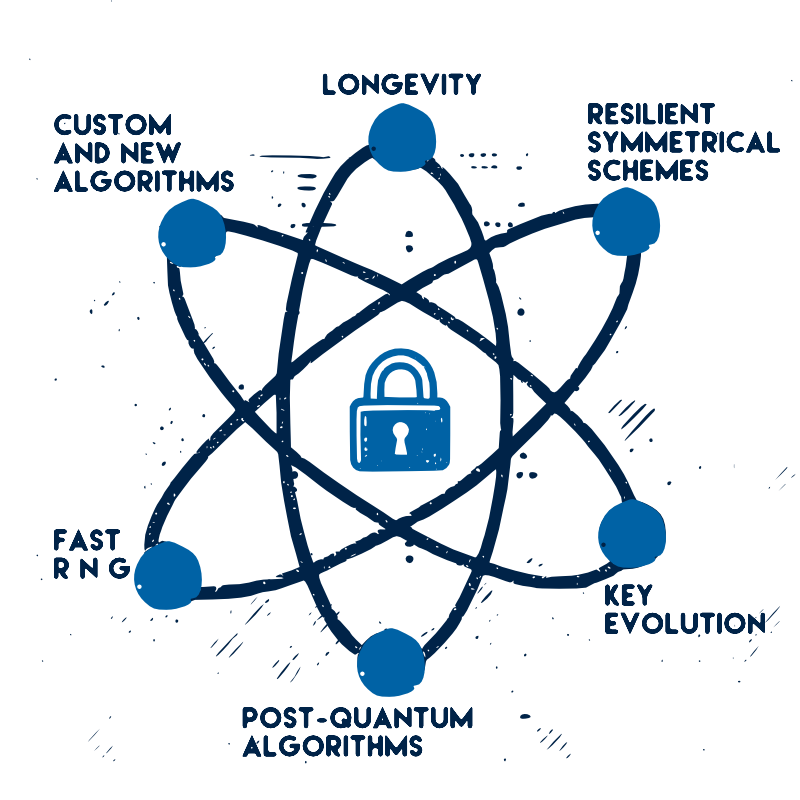
Future-ready security - crypto agility and post-quantum strategies allow protection to evolve with emerging threats and requirements.

Security and Risk
Reduce Cyber Risk and Breach Impact
Reduce the likelihood of successful intrusion and contain the impact of compromised systems.
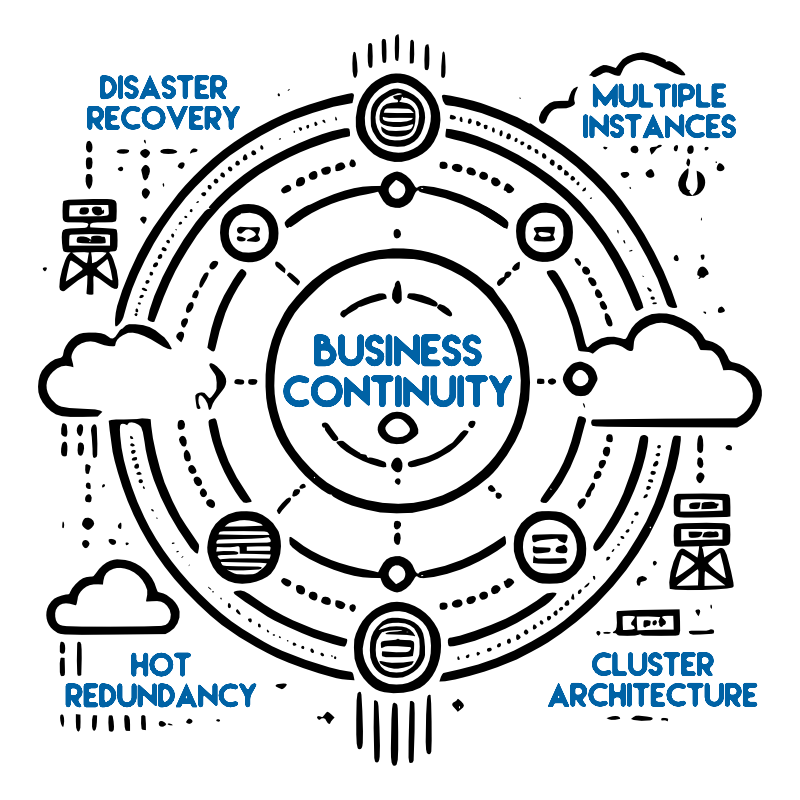
A smaller attack surface and isolated service communications create a more manageable security environment while strengthening the continuity of critical operations.
Technology and Operations
Improve Efficiency Without Disruption
Deploy across modern, legacy, IT and OT environments while preserving existing infrastructure.
Service-level connectivity and centralised management simplify deployment, configuration and ongoing operations.
* Indicative results achieved under defined deployment conditions. Actual savings and performance improvements vary according to network architecture, scale, traffic patterns and operating environment.
Finance and Procurement
Lower Total Cost and Protect Investments
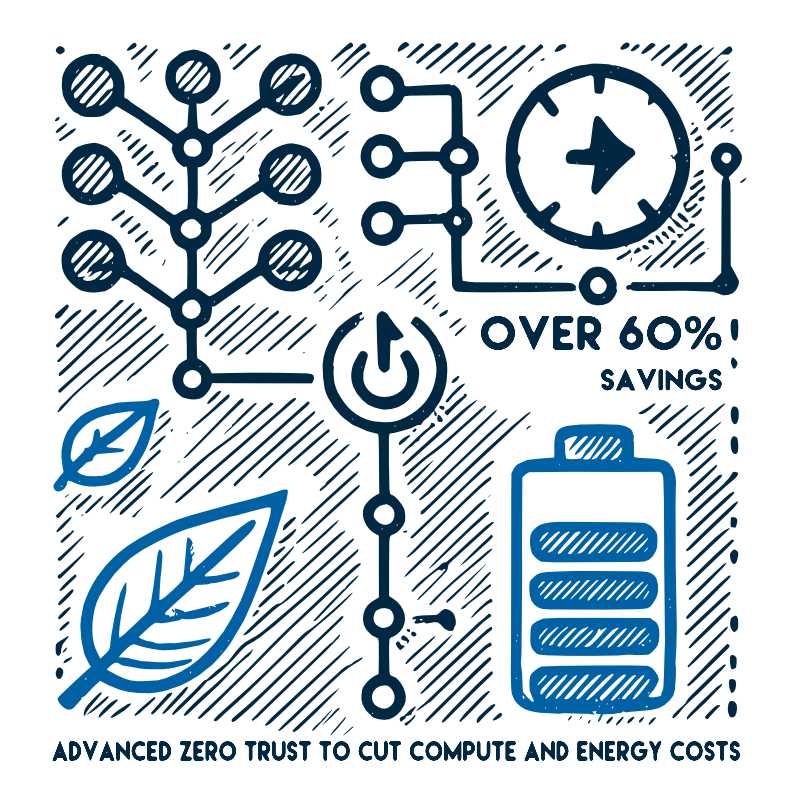
Consolidate networking and security components while extending the operational life of existing infrastructure and reducing deployment and management effort. A unified architecture and optimised communications lower equipment, processing and energy requirements, reducing costs and supporting more sustainable digital infrastructure.
* Indicative results achieved under defined deployment conditions. Actual savings and performance improvements vary according to network architecture, scale, traffic patterns and operating environment.
Governance and Compliance
Strengthen Control and Simplify Assurance
Maintain control over infrastructure, connectivity, data flows and security policies through a self-managed environment.
Consistent access control and isolation support regulatory assurance, while crypto agility helps address evolving security requirements.
SElink in Action

Water Treatment and Distribution Networks with IoT-Enabled Monitoring and Control
Blu5 Group
Opportunities
Newsletter